
Complete Range
Wide Knowledge
Value Adding Focus

0
Complete Range
Wide Knowledge
Value Adding Focus
Sealing is an important part of your packaging – and often essential to keeping it secure throughout handling and transport. Choosing the right sealing solution is therefore about more than simply selecting a roll of tape. The packaging material, product characteristics, transport conditions, volumes and packing process all influence which method is best suited to your needs.
With the right sealing solution, you can reduce the risk of damage, create a more efficient packing flow and contribute to a better customer experience.
Packaging is exposed to many different stresses before it reaches the recipient. It is handled in warehouses, transported between different locations and may be exposed to impacts, pressure and varying environmental conditions.
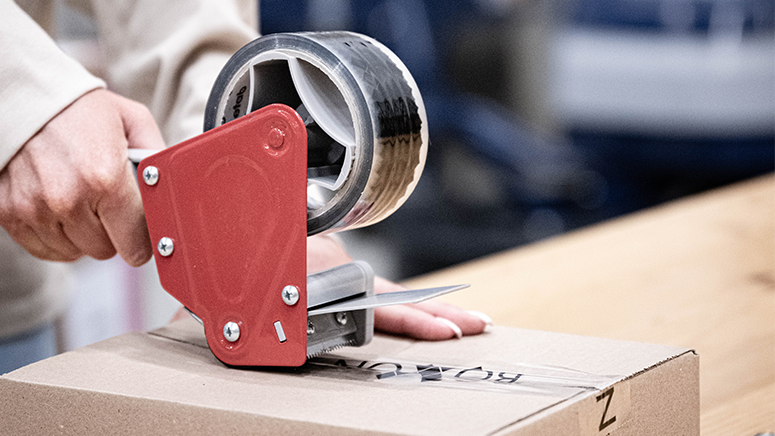
A sealing solution that is not suited to the application can cause problems further along the transport chain. A box that opens during handling can, for example, lead to damaged products, claims and additional repacking. Choosing the right sealing solution from the start reduces the risk of disruptions and unnecessary costs. The right sealing solution not only helps protect the contents – it also contributes to a more efficient packing process. When the sealing method works well with both the packaging and the packing process, it becomes easier to create a stable flow and consistent quality.

There is no single sealing method that suits every application. To find the right solution, you need to consider the entire flow – from what you are packing to how the shipment will be handled during transport.
The material and construction of the packaging influence which solution works best. A standard cardboard box can, for example, be sealed with conventional packaging tape, while paper tape can be an alternative when material choices and the packaging's recycling process are important considerations. Sensitive contents in custom-designed packaging may require a different type of sealing solution.
The product's weight, size and sensitivity influence the level of protection and strength required. A heavy industrial component, for example, may require a more robust sealing solution than a smaller consumer product.
A shipment that is handled several times or passes through multiple stages of the logistics chain may require a different solution from packaging used only internally. Packaging shipped directly to the customer, for example, needs to withstand transport, handling and delivery.
The sealing solution needs to work efficiently in the daily packing process. Flexibility may be important for manual packing, while higher volumes may require more efficient or automated solutions. For larger packing volumes, a tape machine can, for example, provide faster and more consistent sealing compared with manual tape application.
The best solution is one that works for the product, the packaging and the people working in the packing process.
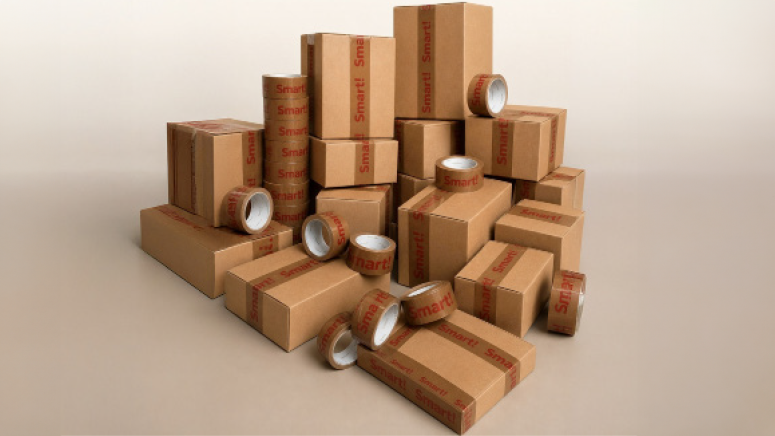
Tape is one of the most common and flexible solutions for sealing boxes across many different applications. It plays an important role in keeping packaging securely closed and helping shipments withstand handling throughout the transport chain.
When choosing tape, several factors need to be considered, including the packaging material, transport conditions and how the seal will be used. A solution that works well for one type of packaging may not necessarily be the right choice for another application. The product's weight, handling environment and how often the packaging
Want to know more about choosing the right tape? Read our Tape Guide.
Depending on the packaging, product and application, other sealing methods may be more suitable than conventional tape. Staples can, for example, be used when a strong and secure seal is required, such as for heavier packaging or applications requiring additional strength. Sealing strips, bag sealers and other solutions can be suitable for different types of packaging where a secure and reliable seal is important.
By choosing the right method for your needs and application, you can create a solution that both protects the contents and works efficiently in day-to-day operations.

A common mistake is choosing a sealing solution based solely on price. The cheapest method is not always the most cost-effective if it results in more transport damage, slower packing or additional manual work. Another common mistake is using the same solution for every product without considering weight, size, transport conditions or how the packaging is handled. An increase in transport damage, a slow packing process, inconsistent quality between shipments or growing volumes can all be signs that it is time to review your current solution.
When investing in automation, sealing is also an important part of the process to evaluate. The right combination of packaging, sealing method and equipment can contribute to a more efficient and stable packing flow.
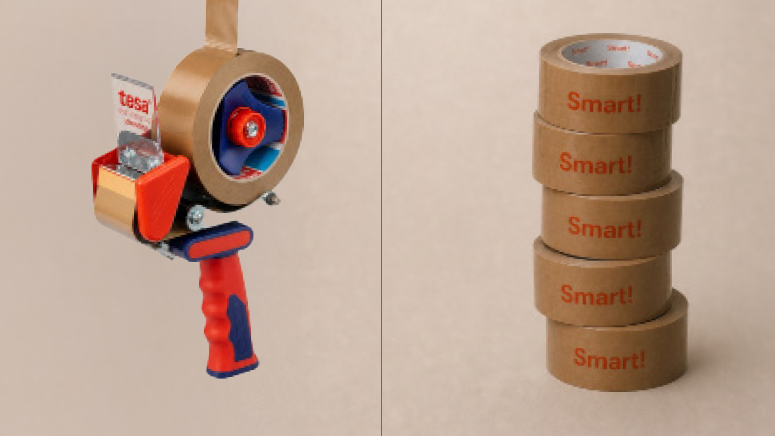
Choosing the right sealing solution is about finding an option that works for your business – from the product and packaging to the packing process and transport.
We can help you find the right combination of packaging, sealing method and packing process based on your needs.
Yes, different methods can sometimes be combined for a more secure seal. A box can, for example, be sealed with tape and reinforced with staples for heavier contents. The right choice depends on the packaging, product weight and how the shipment will be handled.
There is no fixed interval, but the sealing solution should be reviewed when conditions change, such as when introducing new products, increasing volumes or changing transport flows. Recurring damage or packaging that opens during handling are also clear signs.
For e-commerce, the sealing solution needs to protect the shipment and work efficiently in the packing process. Tape is commonly used for boxes, but the choice should be adapted to the product and transport requirements. At higher volumes, a tape machine can provide faster and more consistent sealing.

