
Complete Range
Wide Knowledge
Value Adding Focus
0
Complete Range
Wide Knowledge
Value Adding Focus
FSC labeling is common among products we use daily, such as furniture, wood and not least packaging.
FSC certification is important for promoting responsible forestry. It helps ensure that forests are managed in a way that considers the environment, social needs and economic sustainability. Products bearing the FSC label give customers confidence that their purchases support responsible forest management.
FSC stands for Forest Stewardship Council® and is an independent, non-profit organization that works to promote responsible forestry and maintain the balance between environmental, social and economic aspects of forestry.
The organization was founded in Toronto in 1993, and today thousands of companies worldwide hold FSC certification.
FSC sets standards for responsible forest management and for tracking forest-based materials through the supply chain. Independent certification bodies verify that companies meet these requirements.


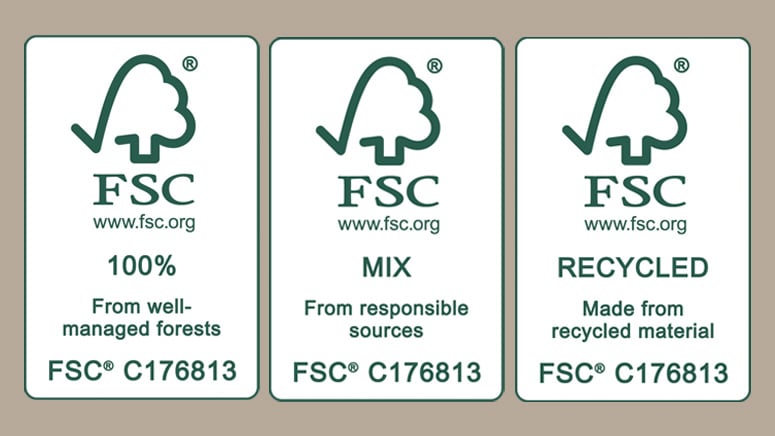
To make it easier for customers, FSC offers different labels that indicate how forest-based materials are sourced.
FSC certification helps ensure that forest-based materials come from responsible sources. By choosing FSC-certified products, you support responsible forest management that considers biodiversity, working conditions and the rights of indigenous peoples.
As a company, choosing to work with and buy FSC-certified products is more than just a sustainability decision. It can also strengthen your company's reputation and support your sustainability goals. More customers are asking for responsible alternatives, and choosing FSC-certified products shows a commitment to environmental and social responsibility.
An important part of FSC certification is Chain of Custody. This means that FSC-certified materials can be tracked through the supply chain, from the forest to the finished product.
Companies that handle and sell products with FSC claims must meet specific certification requirements. These are checked by independent certification bodies, helping customers feel confident about the origin of the materials.
FSC certification provides information about responsible sourcing and traceability, but it does not tell you everything about a product's environmental impact.
For example, the FSC label does not show a product's carbon footprint, weight or whether it can be recycled. These are also important factors to consider when choosing packaging.
We are continuously working to update our range with more sustainable alternatives. We offer FSC-certified products, including FSC Mix and FSC Recycled labeling*.
In 2025, 81% of our sales within relevant product categories, such as corrugated cardboard and paper, were FSC certified. This represents 83% of articles by volume/count.
We also work closely with our suppliers to increase the share of FSC-certified materials. In the Nordics and EMEA, excluding Finland, 76 out of 130 suppliers of fibre-based materials held FSC certification in 2025. This represents 58.5% of suppliers and 82.8% of our purchase value.
Our goal is to continue increasing FSC certification across our operations and supply chain. By 2028, we aim for all suppliers of fibre-based products to be FSC certified.
*Boxon License code FSC-C176813
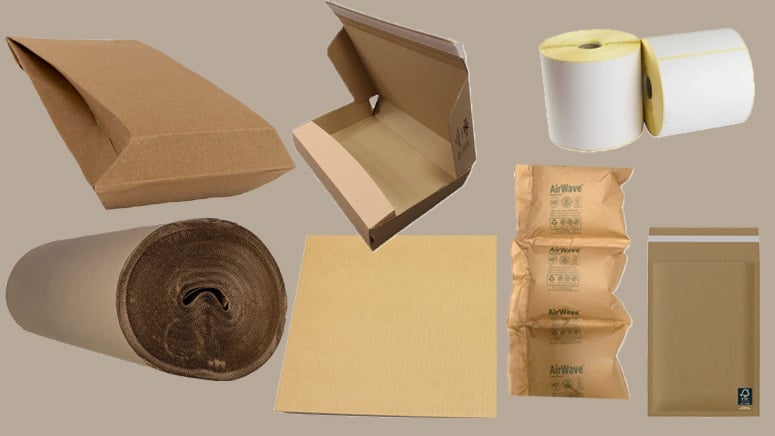
To support our customers' sustainability work, we also provide information about the environmental impact of their packaging.
Through our Environmental Report and Customer Sustainability Scorecard, customers can follow information such as FSC-certified share, recycled content and carbon footprint.
This provides a broader picture of packaging sustainability and helps identify opportunities for improvement.
In summary, choosing FSC-certified products supports responsible forest management and helps companies make more informed purchasing decisions.
By combining FSC certification with information about recycled content, carbon footprint and other sustainability factors, companies can make better packaging choices and contribute to a more sustainable future.
