
Complete Range
Wide Knowledge
Value Adding Focus

0
Complete Range
Wide Knowledge
Value Adding Focus
Damaged goods, unnecessary returns, and packages filled with air are common challenges in many packing operations. Often, the issue is not insufficient packaging, but the wrong void fill material. The right void fill material helps protect products, stabilize contents, and reduce the risk of damage during transit. At the same time, the choice of material affects shipping costs, packing efficiency, and the customer experience more than many realize.
There are many types of void fill material for packaging - from kraft paper and protective paper to bubble wrap and foam. The best option depends on the product, the packing process, and the specific requirements of the business.
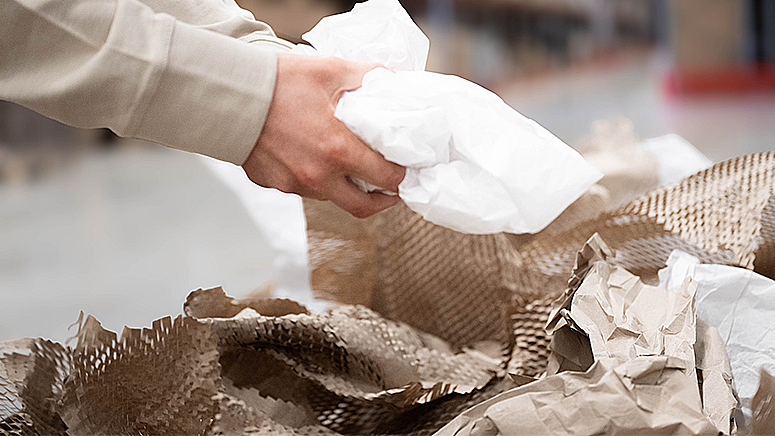

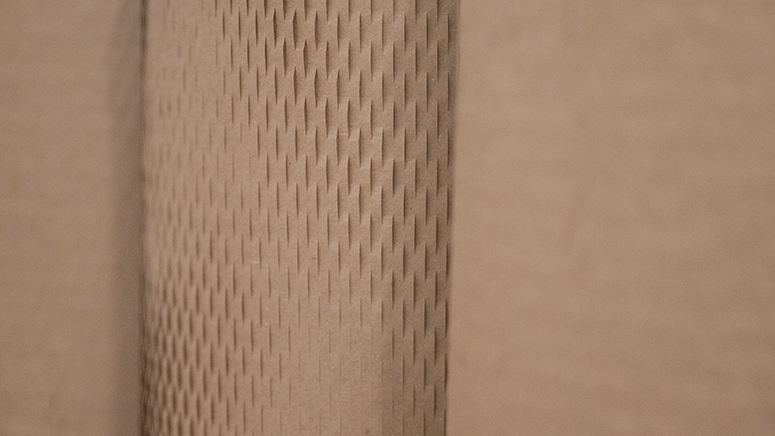
Corrugated paper, kraft paper, and protective paper are used to fill empty spaces, secure products, and provide light cushioning in packaging. They are commonly used in e-commerce and other packing operations where ease of handling and recyclability are important.
When packaging is tailored to the product, less void fill material is often required overall. This makes packages more efficient and resource-conscious. The right void fill material can also reduce both transit damage and unnecessary shipping costs.
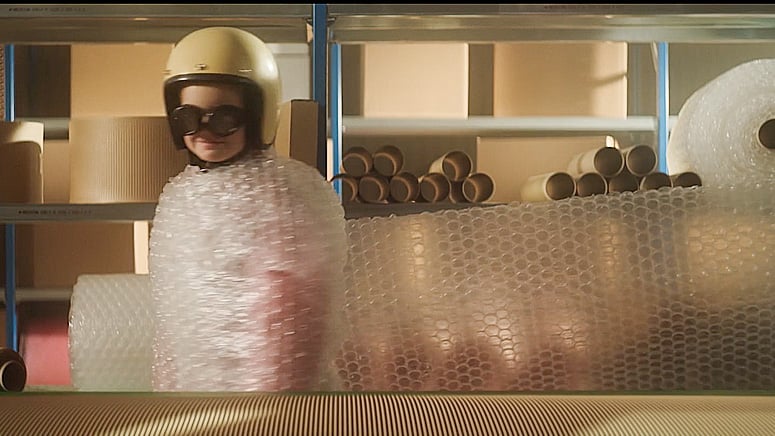
For more delicate products, additional cushioning may be needed to protect against impacts, vibrations, and scratches during transport. Bubble wrap and foam are commonly used for electronics, glass, and other fragile items.
At the same time, these materials are sometimes used to compensate for oversized boxes or packaging that is not adapted to the product. By choosing the right box size, it is often possible to reduce the amount of void fill material without compromising protection.
Read more about cushioning and product protection in our blog post on protective packaging.

Different products require different levels of protection. Some need significant cushioning, while others simply need to be stabilized inside the packaging to prevent movement during transit. Consider how sensitive the product is, whether it is vulnerable to scratches or vibrations, and how far it will be transported. The better the packaging is adapted to the product, the less void fill material is typically needed.
The packing process needs to work efficiently in practice – every day. That means the choice of void fill material is not only about protection, but also about workflow, ergonomics, and efficiency.
Many businesses use large amounts of void fill material to compensate for standardized boxes or packaging that is too large. By reviewing the entire packing process, it is often possible to reduce empty space, material consumption, and unnecessary transportation costs.
The right box design also plays an important role. Read more about corrugated packaging and FEFCO codes.
Today’s customers expect well-designed packaging without oversized boxes and unnecessary material. At the same time, sustainability goals and new regulations are placing greater demands on how businesses work with packaging and void fill material. As a result, more companies are looking at ways to reduce unnecessary packaging and transport less air.
It’s not just about switching from plastic to paper – it’s about optimizing the entire packaging solution
The EU’s new PPWR (Packaging and Packaging Waste Regulation) also introduces stricter requirements for recyclability, reduced packaging waste, and more resource-efficient packaging solutions. The regulation will begin to apply from August 2026, prompting many businesses to already review their packaging and material choices.
For many companies, the next step is finding a better balance between product protection, material consumption, and transportation efficiency—without compromising the customer experience.
A practical example is Norsk Bildelsenter. Together with Boxon, they reviewed their packaging assortment and reduced the number of standard box sizes from 12 to 5 customized box types with adjustable heights. The result was lower material consumption, a switch from plastic to paper-based void fill material, and a 50% reduction in packing time.
The right void fill material is about more than simply filling empty space. It helps protect products, optimize packing operations, and create more efficient transportation - all in a sustainable way. By reviewing the entire packaging solution, businesses can often reduce material consumption, transportation damage, and unnecessary costs.
Would you like to discuss different types of void fill material or review your packing process? We would be happy to help you find a solution that fits your business. Feel free to contact us below or get inspired by how we have helped other customers.
