
Complete Range
Wide Knowledge
Value Adding Focus

0
Complete Range
Wide Knowledge
Value Adding Focus
The packaging industry continues to move forward, shaped by technology, sustainability and design. Some of the trends looking ahead to 2026 are best seen as early signals. They point to possible directions rather than ready-made solutions. At the same time, changes such as stricter EU requirements are already setting clear expectations for the years ahead. Together, these developments describe an industry in motion, where packaging plays a more strategic role for both products and brands.
Minimalism has shaped packaging design for several years. In 2026, a broader and more expressive approach is starting to take form. Packaging is increasingly used to communicate identity and character through clearer visual choices.
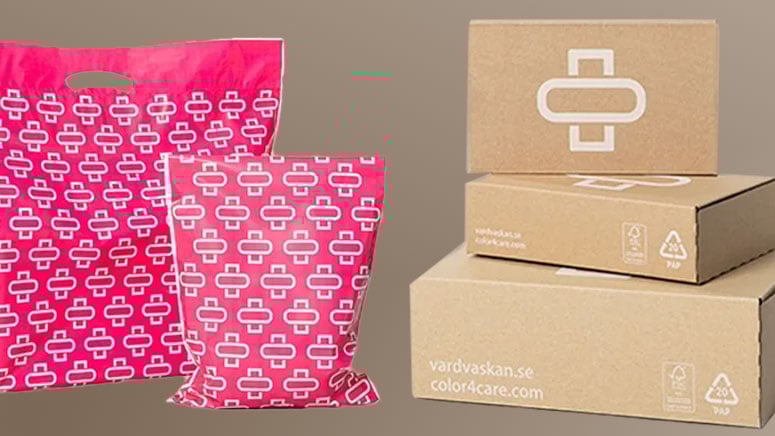
Customers are drawn to experiences that feel genuine and well considered. This may include:
With many products competing for attention, packaging helps create recognition and clarity from the very first interaction.

New legislation is one of the strongest forces influencing packaging development in 2026. The introduction of the EU’s Packaging and Packaging Waste Regulation (PPWR) brings clearer and more uniform requirements across markets.
PPWR covers areas such as:
As a result, sustainability is no longer just about ambition. It is about being able to show how packaging performs, supported by data, transparent material choices and traceability throughout the value chain.
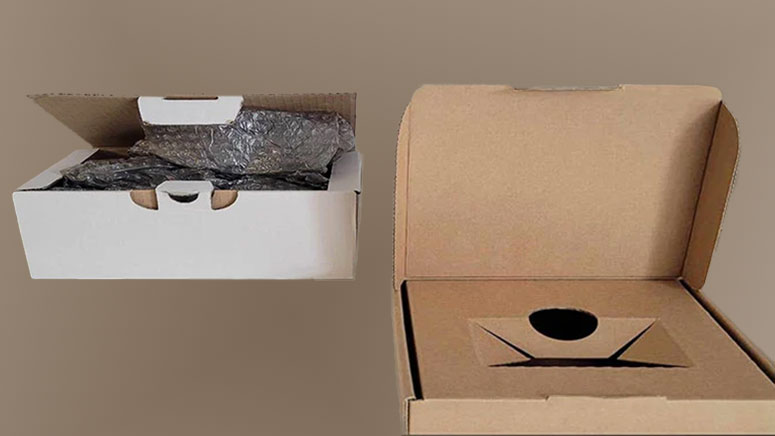
E-commerce continues to influence how packaging is designed and used.
In 2026, this includes:
The aim is to reduce cost and environmental impact while improving the overall customer experience. Packaging becomes part of the full logistics flow, not just the final delivery.
Packaging in 2026 increasingly supports decision-making by sharing clear and useful information. The focus here is on function rather than appearance, using technology that responds to conditions and provides real-time insight into product status.
Examples include:
These solutions support quality assurance, help reduce waste and build confidence throughout the supply chain.
Earlier years focused heavily on recycled and recyclable materials. In 2026, attention is also shifting toward materials designed to function and break down in new, more natural ways.
Examples of plant-based materials gaining traction include:
These materials make packaging part of the solution, contributing to lower environmental impact through natural processes.
Several shifts shape the packaging landscape in 2026. Design becomes more expressive and brand-driven. Plant-based materials gain ground as practical alternatives. PPWR raises expectations around transparency and material efficiency. E-commerce continues to drive demand for smarter and more automated solutions, while smart packaging supports quality and reduces waste. Together, these trends show how packaging is becoming an increasingly strategic part of both sustainability efforts and customer experience.
The trends described reflect current industry insights and emerging directions. While regulatory aspects are based on confirmed EU legislation, other topics should be seen as trend observations rather than definitive forecasts.
